
If You Smell Gas, Leave First
A rotten-egg smell means natural gas is escaping. Don’t switch lights on or off, don’t use a phone inside and don’t go looking for the leak. Get everyone out, then call 911 or your gas utility from outside.
Once the utility has made the area safe, call us at (224) 567-2501 and we’ll find and repair the leaking pipe or fitting. We’re open 24/7, and our 24/7 Emergency Plumbing line is answered by a real person at any hour.
Gas Piping for Appliances
We run new gas lines and extend existing ones to the appliances that need them, install the shutoff valve and connector at each one, and test every joint before the gas is turned on. Typical jobs include gas piping for:
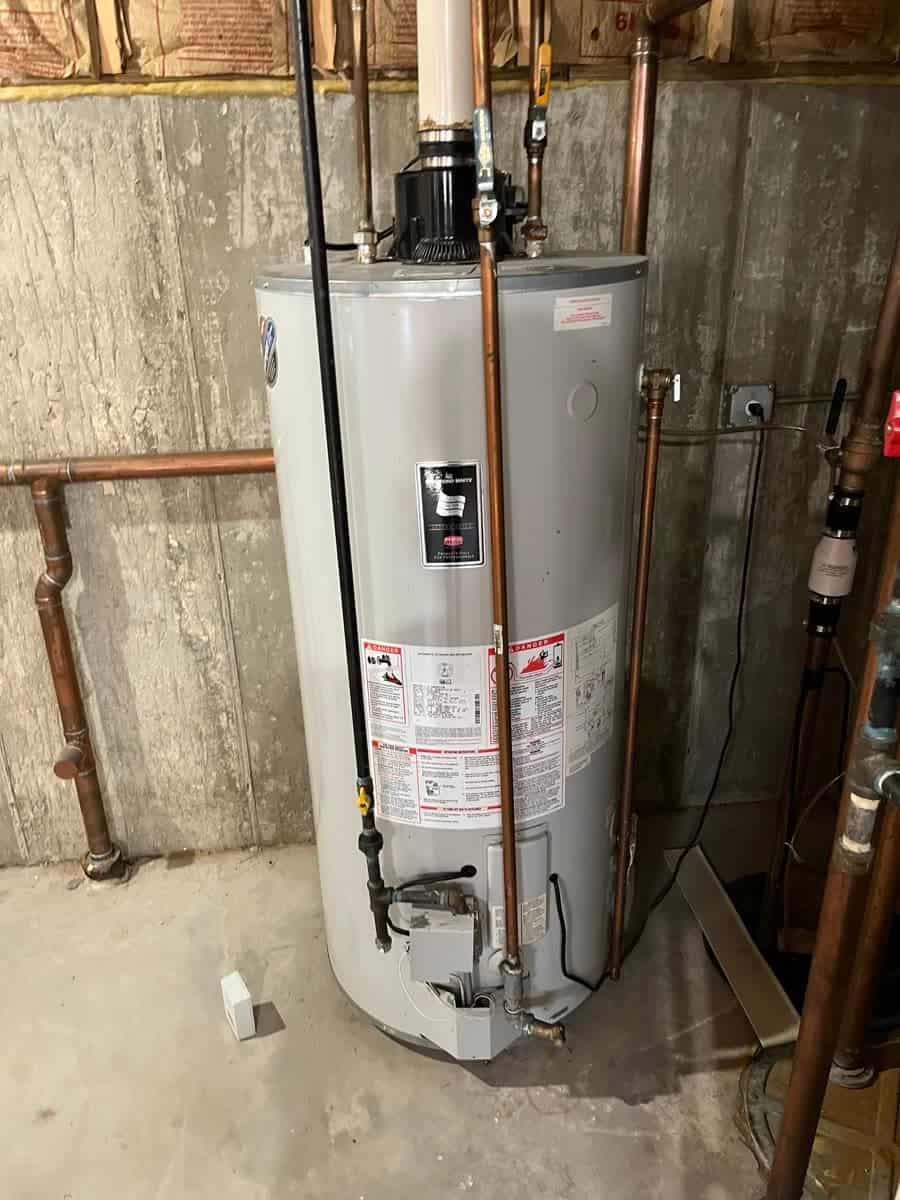
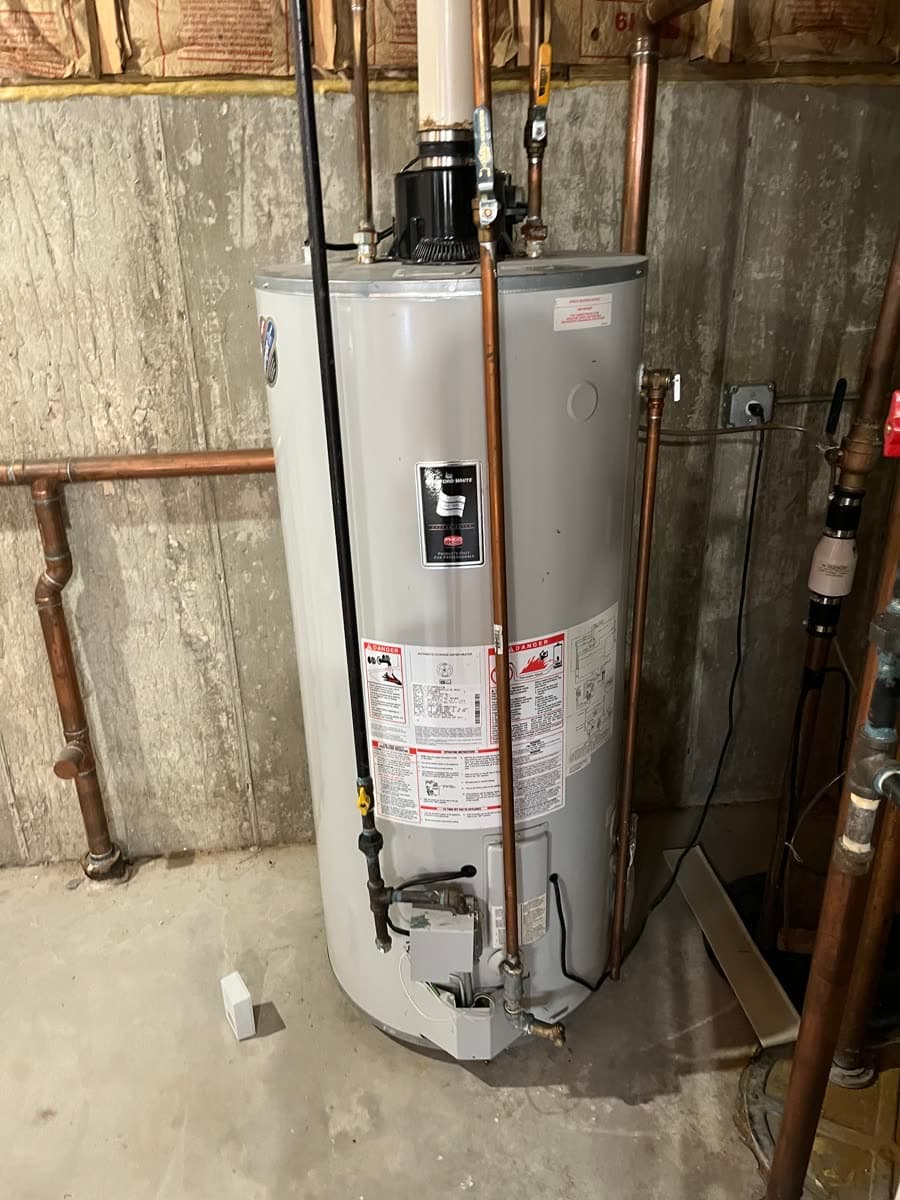
- Gas water heaters, including tankless units that need a larger line
- Boilers
- Gas ranges and cooktops
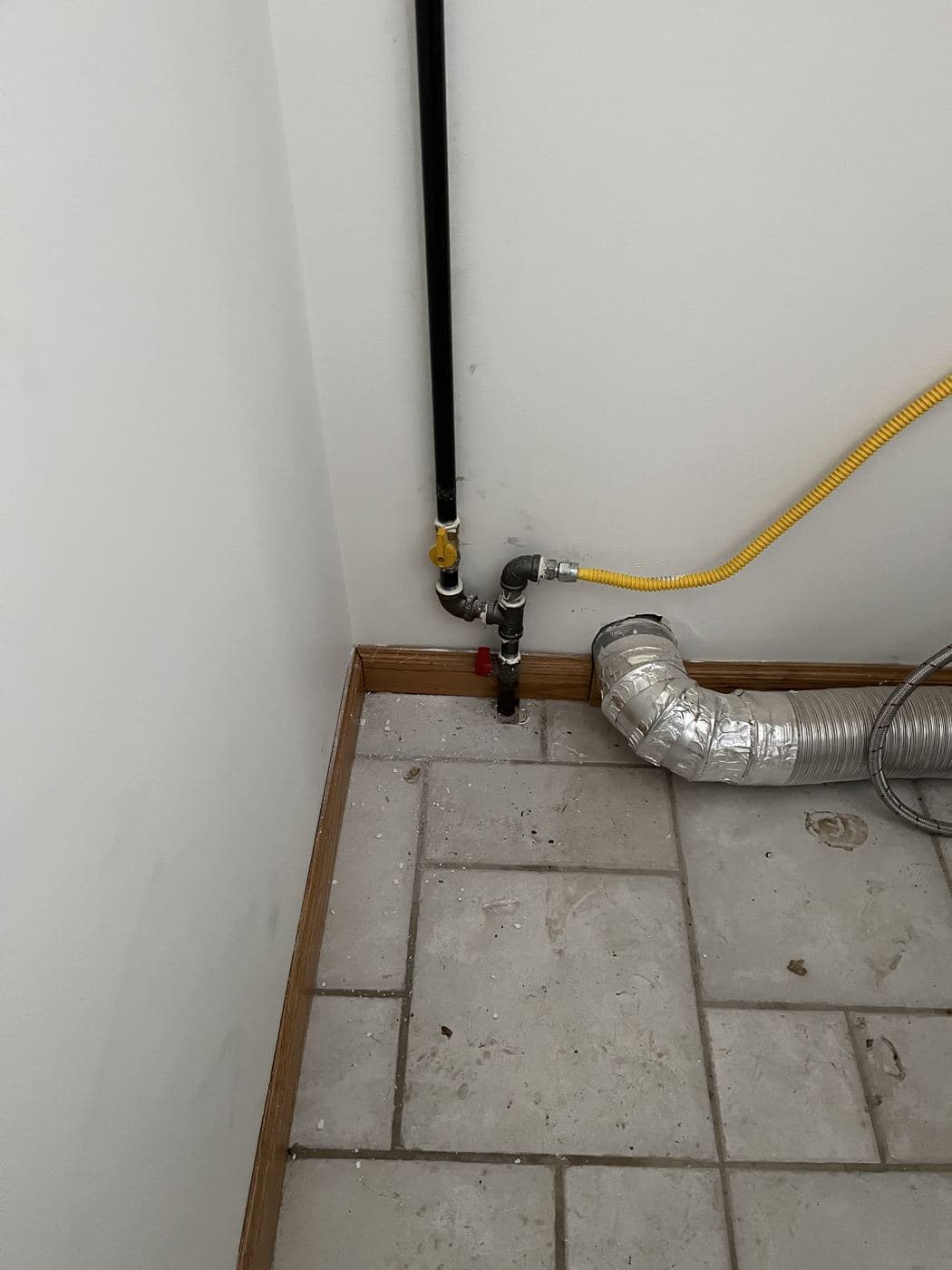
- Gas clothes dryers
- Commercial kitchen equipment and commercial water heaters
We Pipe the Gas; We Don’t Repair the Appliance
Our work stops at the appliance connection. We confirm the appliance has the gas supply it needs and that the connection is tight, but we don’t repair the appliance itself. If your range or dryer isn’t working, that’s a call for the appliance’s service company; if the problem is the gas line feeding it, that’s a call for us.
Gas-fired heating and hot water are the exception, because we service those systems ourselves. Our Water Heaters and Boiler Repair & Replacement work includes the gas piping that serves them.
Repairing Old or Corroded Gas Piping
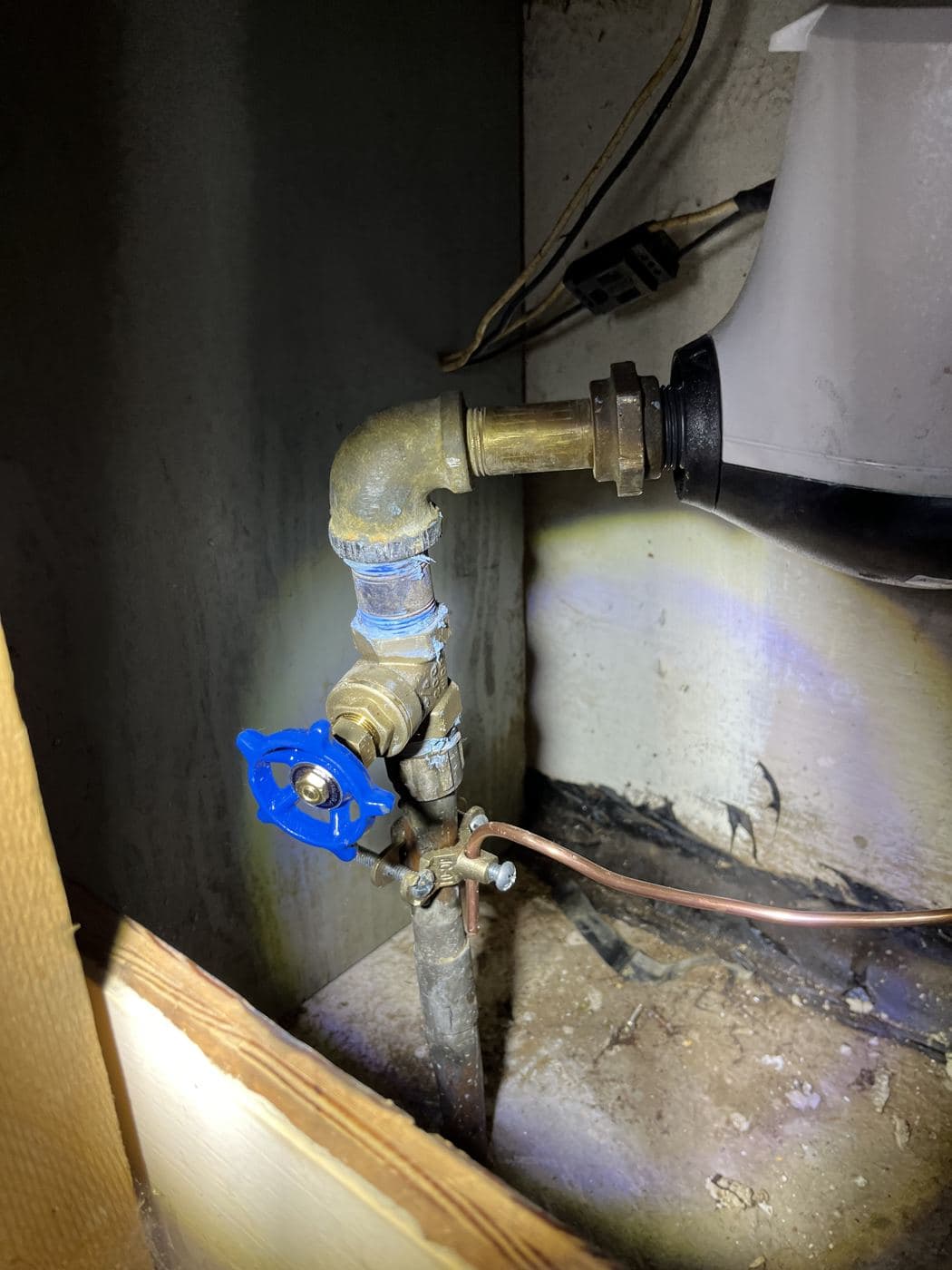
Steel gas pipe can last a very long time indoors, but basements that flood, sweat in summer or sit beside a leaking water heater can rust it from the outside. Old flexible connectors behind ranges and dryers wear out too, especially ones that get bent every time the appliance is pulled out to clean.
When we find a pipe, fitting or connector that’s corroded or leaking, we replace that section, pressure-test the repair and relight any pilots we had to shut off. If the gas has to be off for the work, we tell you ahead of time and keep the shutdown as short as possible.
Sizing and Pressure Testing
A gas line that’s too small starves the appliances at the end of the run. It’s a common problem when a homeowner adds a tankless water heater or a second appliance to piping that was sized decades ago. We add up the total load on the system and the length of each run, then size the pipe so every appliance gets full pressure even when they all run at once.
New and repaired gas piping is pressure-tested before it goes into service, and every connection is checked for leaks. We write the flat-rate price before starting, leave the work area clean and back every repair with at least a one-year warranty.
Signs of a Gas Line Problem
- A rotten-egg smell near an appliance or the meter (leave and call from outside)
- A hissing sound near gas piping
- An appliance that lights weakly when others are running
- Dead or discolored grass over an outdoor gas line
- Rusted or corroded gas pipe in the basement