
How a Sewer Camera Inspection Works
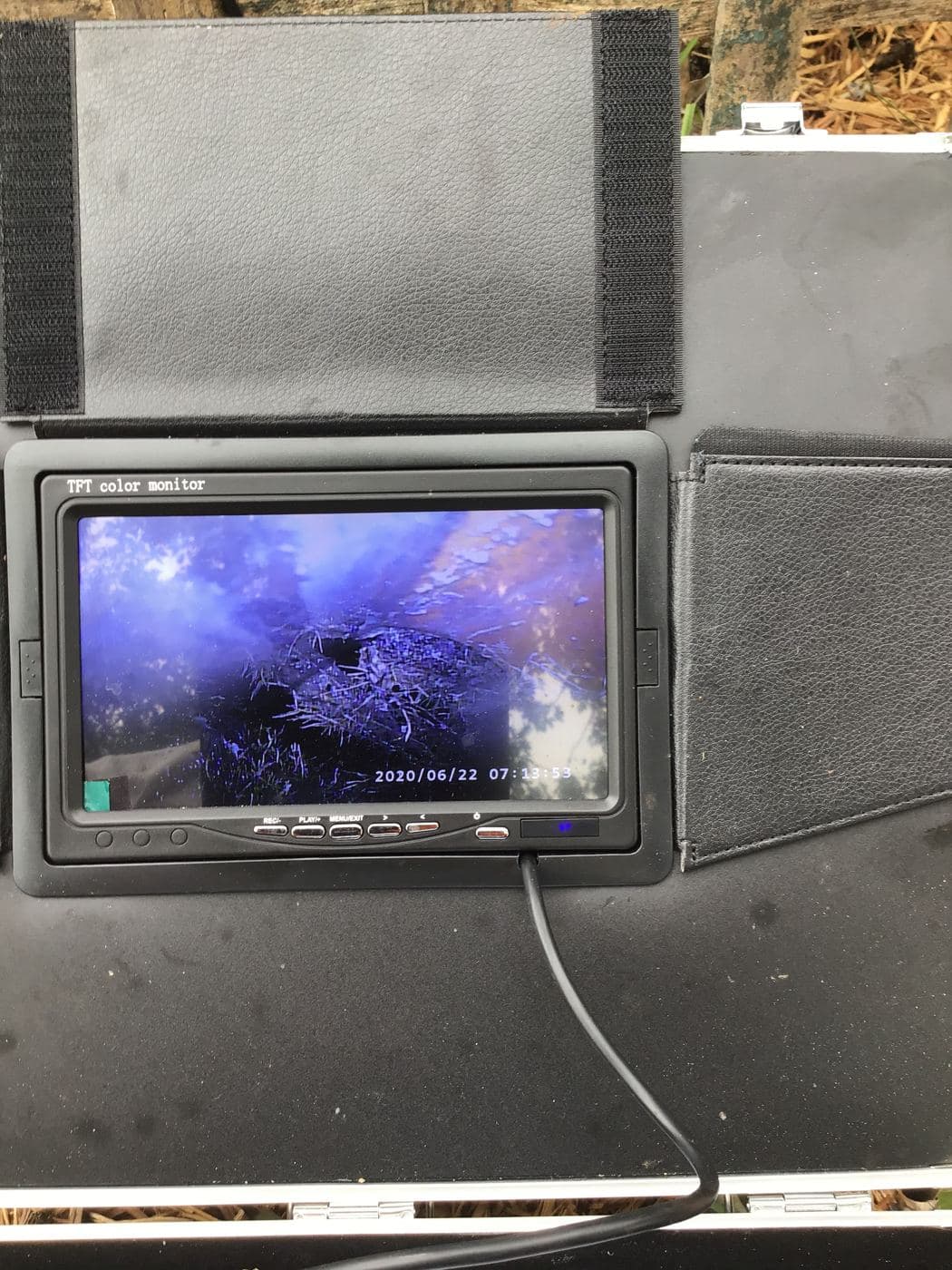
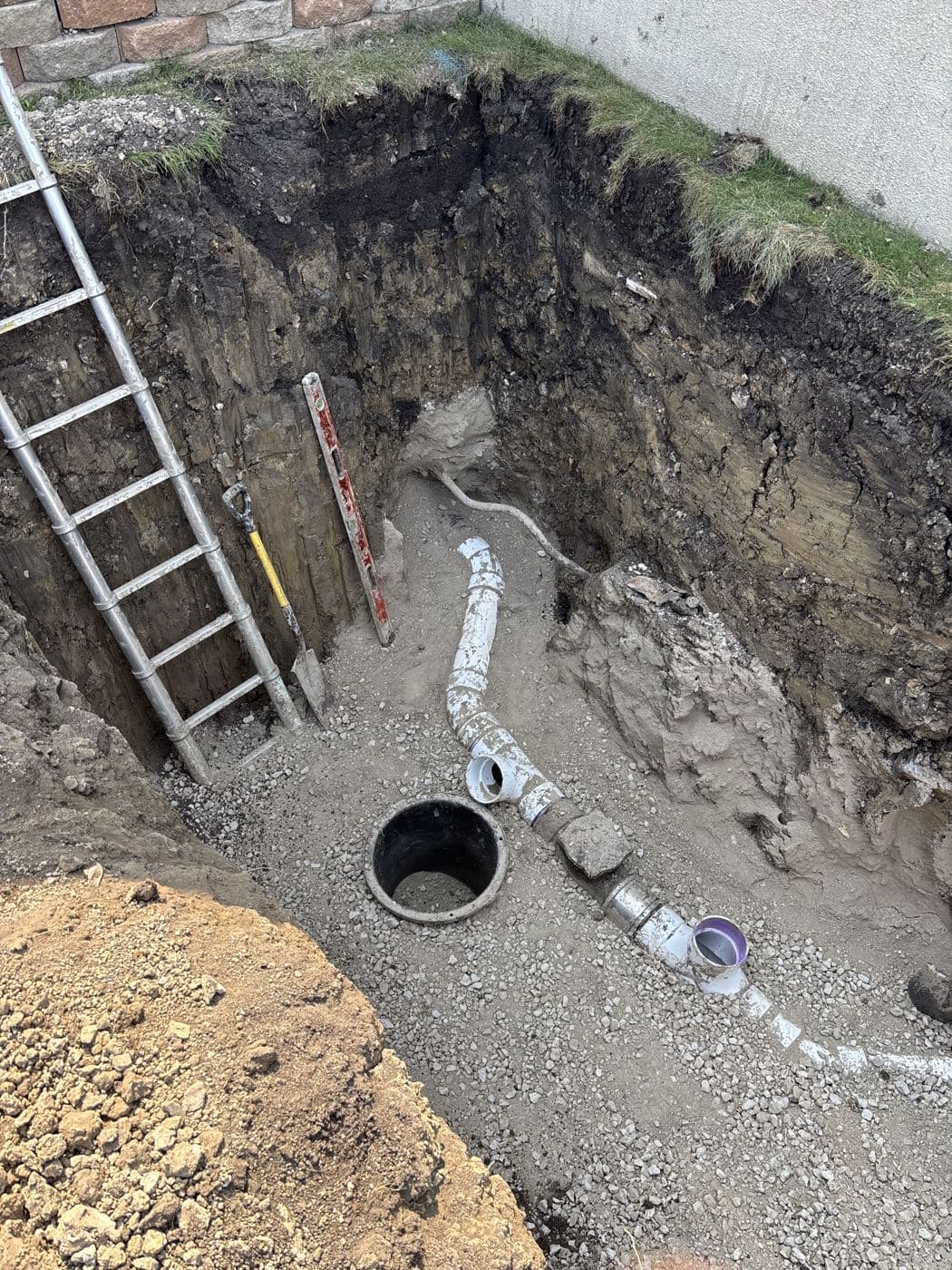
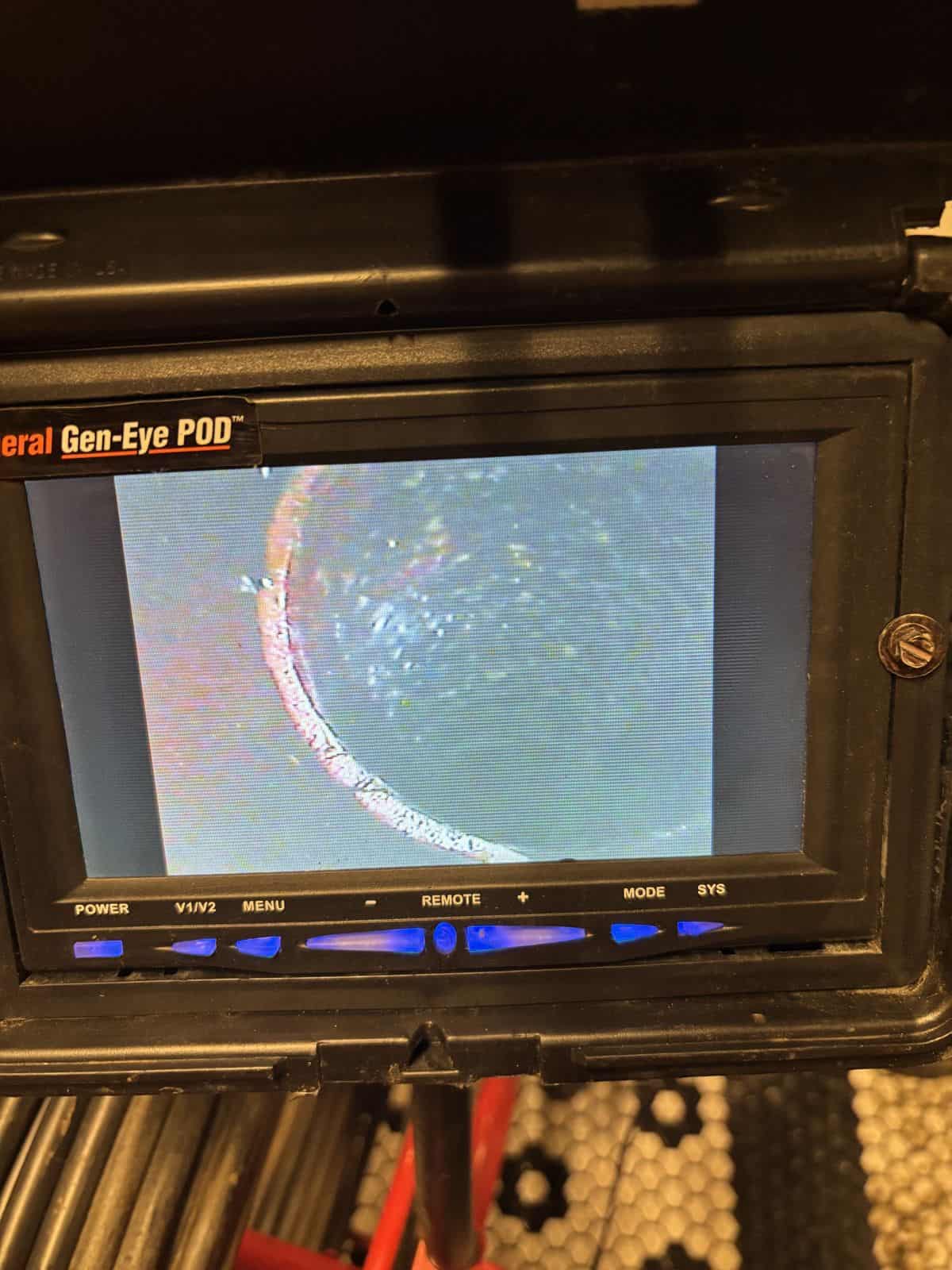
We feed a camera on a flexible push cable into the line through a cleanout, floor drain or toilet opening and send it toward the street. A monitor shows the inside of the pipe live, and we keep track of how far the camera has traveled so we can tell you where along the line any problem sits.
You’re welcome to watch the screen with us. We explain what each section shows, point out joints, changes in pipe material and anything that doesn’t belong, and tell you plainly what it means for your home.
What the Camera Can Find
Older homes in our area often still have their original clay or cast iron sewer laterals. These pipes have served for many decades, but tree roots, shifting soil and time take a toll that’s impossible to see from inside the house. The camera shows conditions such as:
- Tree roots growing in at clay pipe joints
- Grease and scale narrowing the pipe
- Cracks, breaks and crushed sections
- Offset or separated joints
- Bellies, which are low spots where water and waste sit
- The point where an old clay line meets newer plastic pipe
Camera Before and After Every Rodding
We run the camera before we rod a sewer line and again afterward, every time. The first pass shows what’s causing the backup. The second confirms the line is open and shows the condition of the pipe once the clog is gone, which is often when cracks and root entry points become visible. You see the difference, and you know whether routine Drain Cleaning will keep the line flowing or whether the pipe itself needs attention.
When grease or scale coats the walls so heavily that the pipe can’t be judged, we may recommend Hydro Jetting to clean the line before a final look.
Buying an Older Home? Have the Sewer Scoped
A standard home inspection usually doesn’t include the sewer line, and a failing sewer is one of the more expensive surprises a new owner can inherit. If you’re buying a home with mature trees or an original clay lateral, a camera inspection before closing tells you what you’re getting. If the footage shows a broken or failing pipe, we’ll explain the options for Sewer Repair & Replacement and put a price in writing you can take into negotiations.
Current owners often schedule an inspection in January or February, before snowmelt and spring storms push the most water through the system, so a problem is found before it floods the basement.
When to Schedule a Sewer Camera Inspection
- Repeated backups in the basement floor drain
- Roots found in the line during an earlier rodding
- Buying or selling an older home
- Sewer odor inside the house or in the yard
- Sinking or soggy spots over the sewer line
- Before a major landscaping or driveway project over the line