

Spring means thawing ground, heavy rain and big temperature swings, and all of it puts stress on a home's plumbing. After months of freezing weather, a spring inspection often turns up problems that developed quietly over the winter. Whether you are buying, selling or just keeping an eye on your own home, knowing what inspectors commonly find helps you get ahead of the repairs.
Freeze damage nobody noticed
Winters here regularly drop well below freezing, and pipes in outside walls, crawl spaces and unheated garages are the most exposed. A pipe that froze and cracked may not show anything until it thaws and pressure pushes water through the crack.
Look for low pressure at certain fixtures, water stains on ceilings or walls that appeared in late winter, damp insulation along outside walls or in crawl spaces, and a water bill that jumped for no reason. A slow leak from a winter crack can do a lot of damage to the materials around it before anyone finds it.
Sump pumps that sat idle all winter
March snowmelt and rain through May put heavy demand on sump pumps, and a pump that sat idle all winter may fail right when it is needed. Inspectors often find pumps that are clogged, burned out or missing a working backup.
Signs a pump isn't ready: it runs but the water level doesn't drop, the motor hums but nothing happens, there is standing water in the pit in dry weather, or the discharge line is blocked or frozen at the outlet. We recommend testing in January or February, before the spring season starts. Our Sump & Ejector Pumps page covers repairs and battery backups.
Outdoor faucets and backflow devices
Hose bibs that weren't winterized are a common spring find. Even frost-free faucets split if a hose was left attached during a hard freeze. Turn each one on and check for leaks outside and on the basement wall behind it.
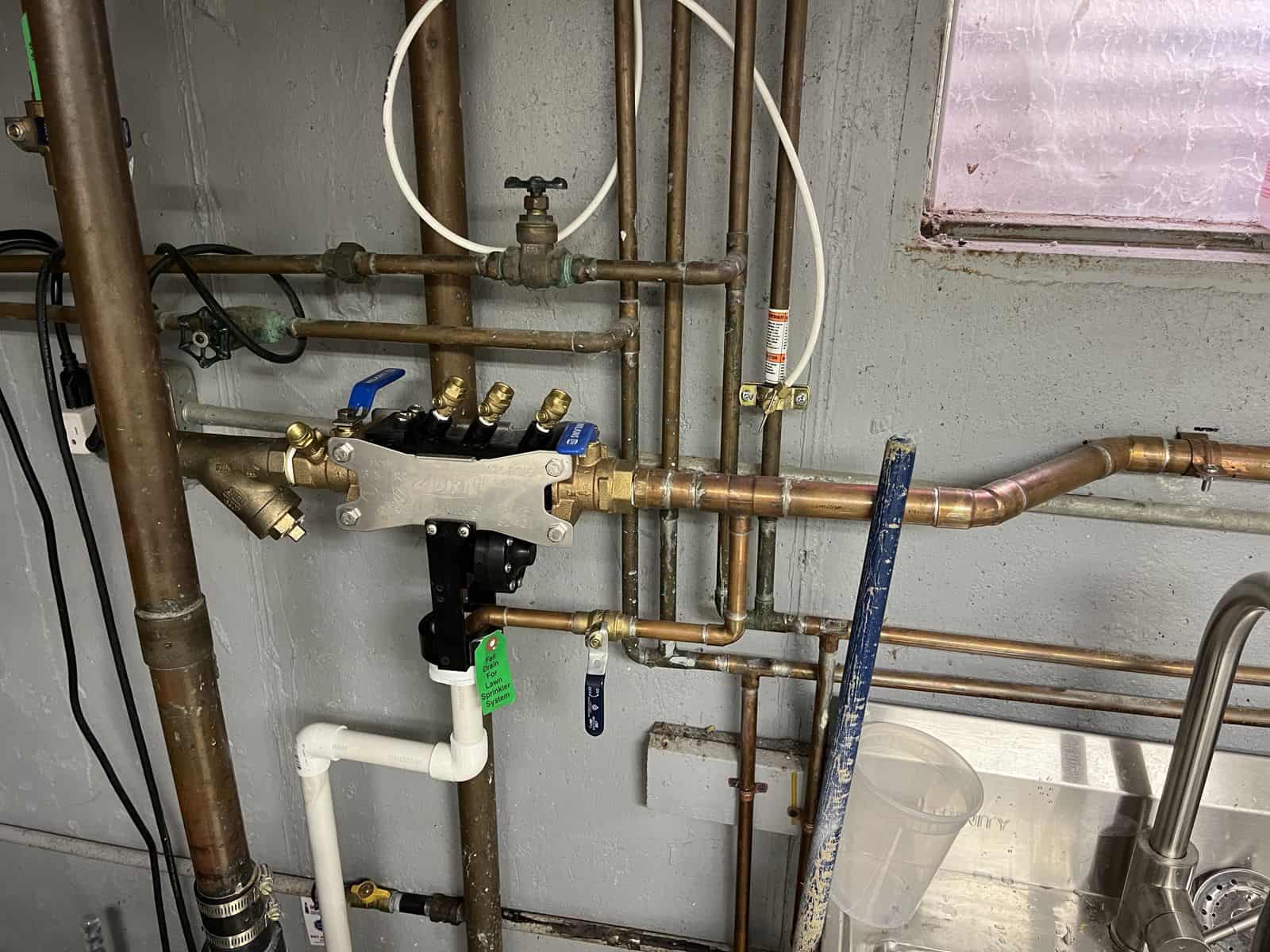
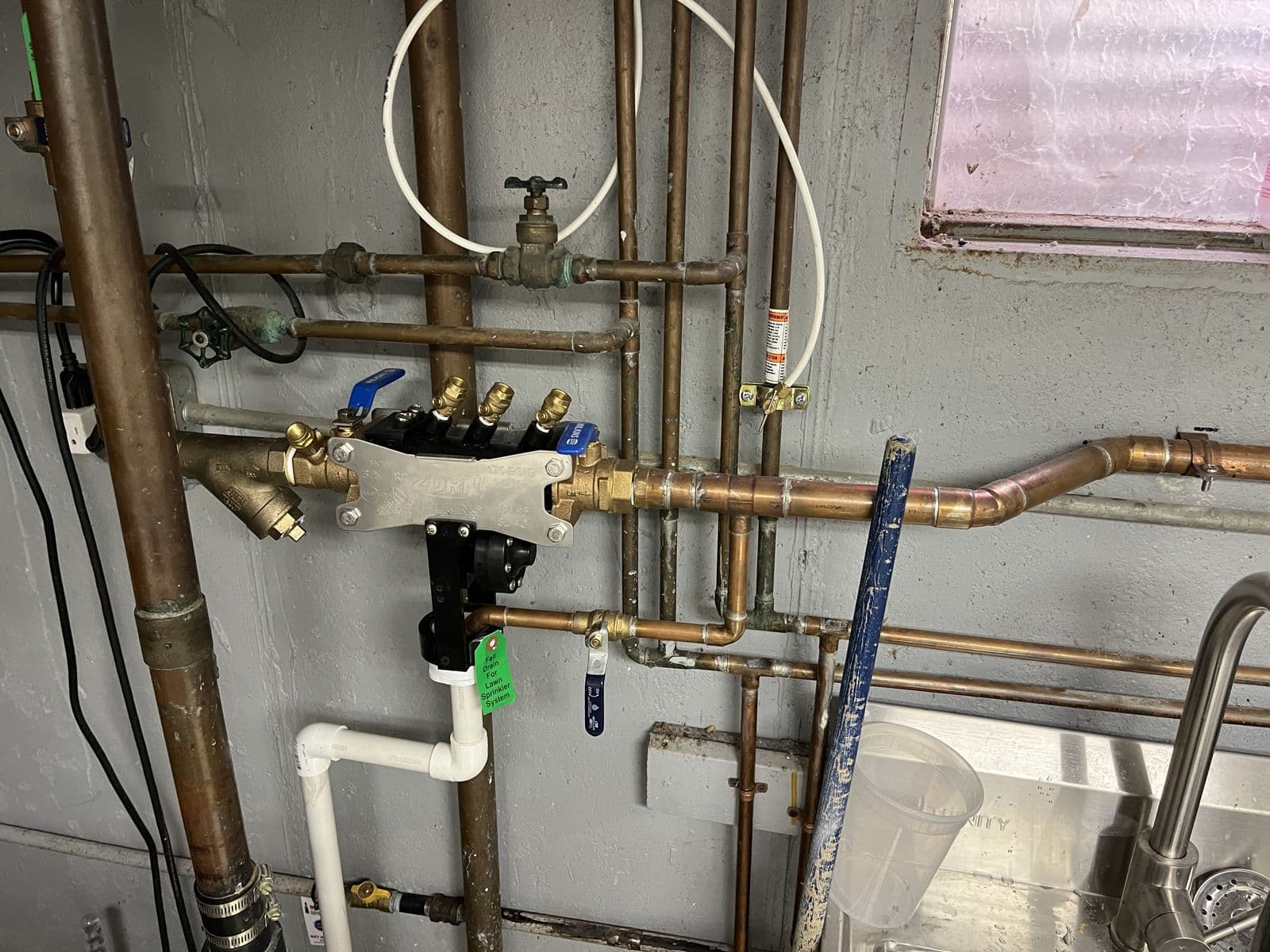
Backflow preventers, the devices that keep irrigation or other water from being pulled back into the drinking water supply, can crack in a freeze too. In Illinois, many of these devices must be tested every year, so check with your town about what yours requires.
Water heaters after a hard winter
Water heaters work overtime in the cold months. Spring inspections often find sediment buildup, a used-up anode rod or a relief valve that isn't working right. Rumbling or popping while it heats, rusty hot water, water at the base and hot water that runs out faster than it used to are all signs the heater needs attention. A yearly flush and check helps it last.
Drain and sewer line problems
Freeze-thaw cycles shift the soil and stress underground sewers. Older homes with clay or cast iron sewer pipe are prone to separated joints, cracks and roots that have been working through the soil all winter.
Common symptoms are slow drains at several fixtures, gurgling toilets when other drains run, sewer smell near floor drains or in the yard, and soft wet patches over the sewer line. A camera inspection is the only reliable way to know what is going on inside the pipe, and catching roots or a crack early costs far less than a backup.
Worn supply lines and stuck shutoff valves
The flexible supply lines under sinks and behind toilets don't last forever. Inspectors often find braided lines that are bulging, corroded at the ends or already weeping. They are inexpensive to replace and can do a lot of damage if they let go.
Check the shutoff valves while you're there. Valves that haven't been turned in years often seize and won't close in an emergency. Replacing a stuck valve now is much better than finding out it doesn't work while water is spraying.
A quick walk-through you can do yourself
Pour water into the sump pit and make sure the pump starts. Turn on each outdoor faucet and look for leaks. Look under every sink for moisture, stains or soft cabinet floors. Check around the water heater for drips or rust. Flush each toilet and listen for slow refilling or running afterward.
If anything looks off, we handle the full range of Plumbing Repair, quoted flat-rate in writing before we start, with at least a 1-year warranty. Call (224) 567-2501. We serve Des Plaines and the surrounding suburbs, and we answer 24/7.
Frequently Asked Questions
What plumbing problems show up most in spring inspections?
Freeze-damaged pipes and hose bibs, sump pumps that fail after sitting all winter, water heater sediment, worn supply lines, stuck shutoff valves and sewer lines with roots or cracks.
How can I tell if a pipe froze and cracked over winter?
Look for low pressure at certain fixtures, new water stains on walls or ceilings, damp insulation along outside walls and a higher water bill. A crack often only leaks after the pipe thaws.
When should I test my sump pump for spring?
In January or February, before the March snowmelt and the spring rains that run through May.
Should I get a sewer inspection when buying a home?
Yes, especially for an older home with clay or cast iron sewer pipe. Problems in the sewer are rarely visible from the surface.