
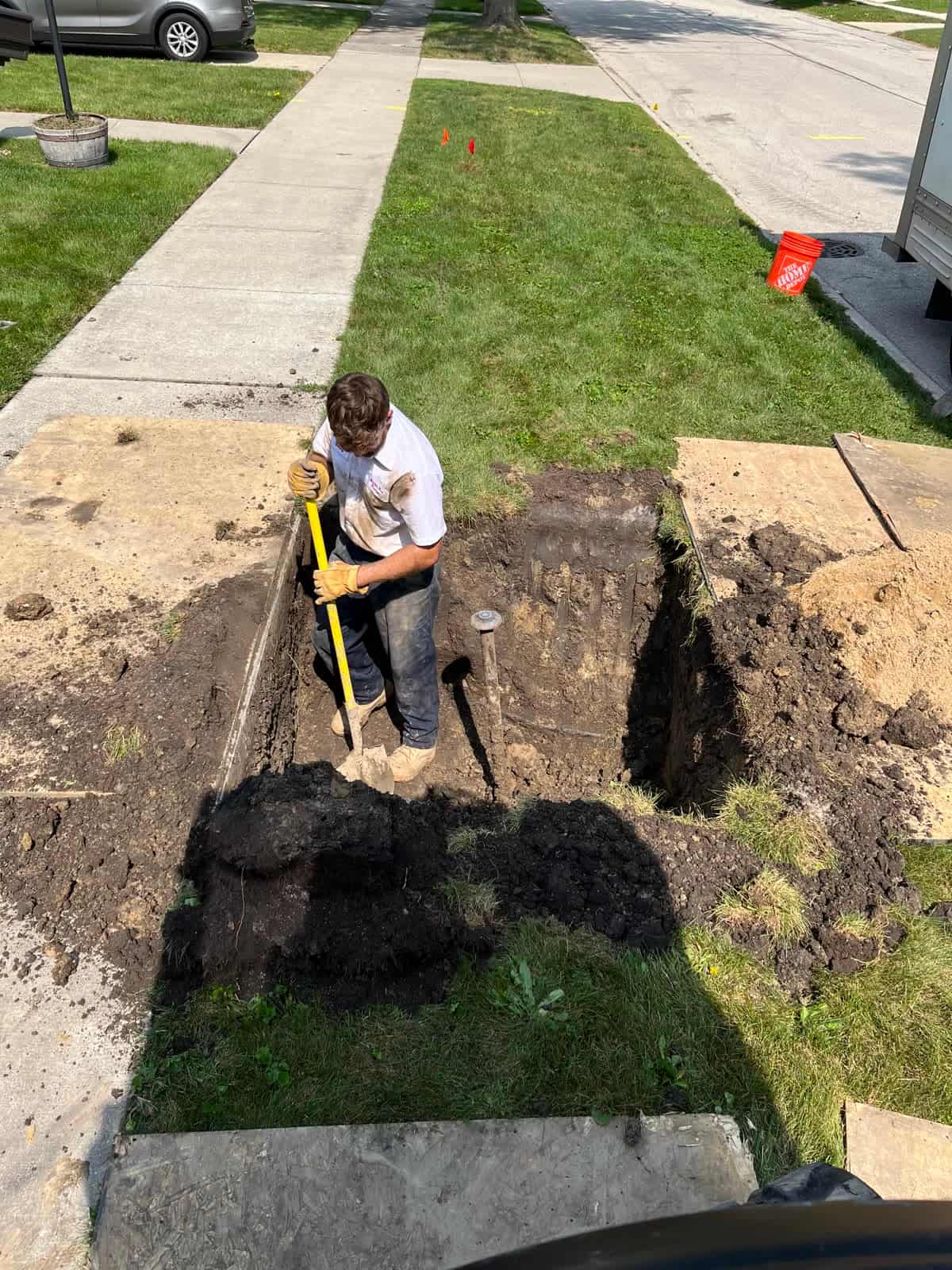

Every spring the ground thaws, the rain picks up and the trees come out of dormancy ready to grow. That is good news for your lawn. For an older sewer line, it can be the start of a serious problem. Roots are drawn to water, and old pipe with small cracks or loose joints gives them exactly what they want. Once they get in, the damage gets worse every season you wait.
Why spring is the riskiest season
Root growth slows way down in winter. When it warms up in March and April, roots start growing hard again at the same moment the ground is soaked with snowmelt and spring rain, which here runs from March through May. That combination sends roots searching in every direction.
Silver maples, willows, elms and cottonwoods are common in older neighborhoods around Des Plaines, and all of them have aggressive, spreading roots known for finding sewer lines. Many homes built from the 1950s through the 1970s have clay tile or cast iron sewers that have developed small cracks over the decades, and those cracks are the way in.
How roots damage a pipe
It is a slow process that builds on itself. Fine root tips slip through hairline cracks, joint gaps or worn seals. Inside, they feed on the water and nutrients in the waste and grow quickly. The root mass presses on the pipe walls and widens the cracks. Grease, paper and solids catch on the roots and form blockages. In advanced cases, the pipe section collapses.
What starts as a small intrusion can become a full backup or a broken line within a few seasons, and it tends to speed up each spring as the roots get bigger.
Warning signs
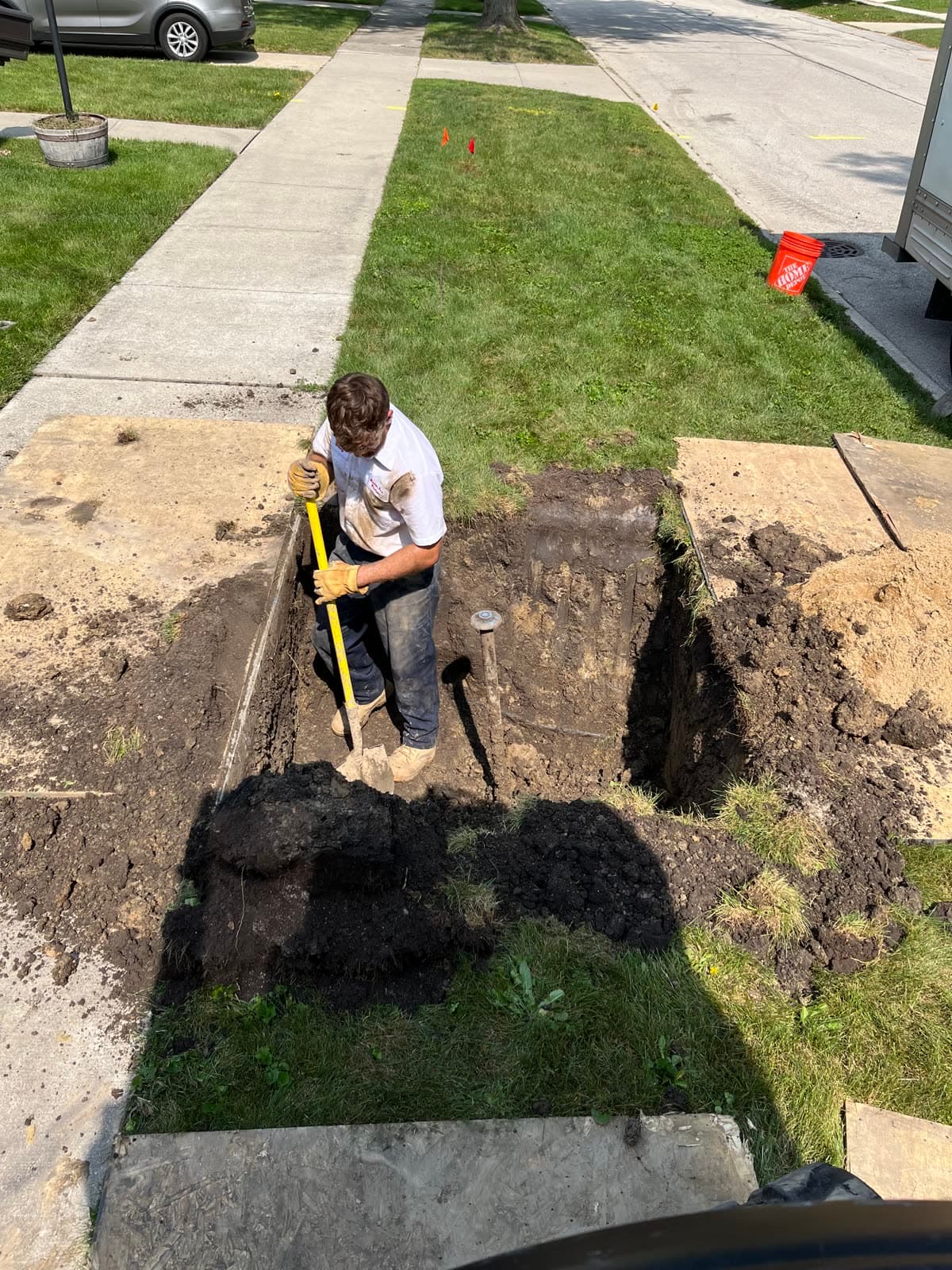
Slow drains throughout the house, not just one fixture. Gurgling from toilets or floor drains when water runs elsewhere. Sewer odor from drains or from soft spots in the yard. Clogs that return after clearing. Lush or extra-green strips of grass over the sewer line. Toilets that flush weakly or back up for no clear reason. If these show up or get worse in spring, roots are one of the most likely causes.
Which pipes are most at risk
Clay tile sewers, common in homes built before 1970, are the most vulnerable because their joints shift and crack. Cast iron corrodes inside and thins out. Older plastic connections with poor joints can let roots in too. Any line within 20 to 30 feet of a big mature tree carries extra risk. If your home has its original underground plumbing and the sewer has never been inspected, there is a good chance roots have already made some progress.
Why a camera comes first
The only reliable way to know what is going on inside the sewer is to look. We feed a waterproof camera through the line from a cleanout and watch the inside of the pipe in real time. It shows roots at any stage, finds cracks and failed joints, and gives a clear picture of the whole line. Our Sewer Camera Inspection page explains the process.
What happens next depends on what the camera shows. Early roots in a sound pipe can be cut out with Drain Cleaning or flushed out with hydro jetting. Heavy roots in a pipe that is still intact may just need cleaning on a regular schedule. A cracked or collapsed section needs a spot repair or replacement. We camera before and after every rodding, so you see the before and after for yourself.
What you can do now
You can't stop trees from growing, but you can lower the risk. Find out where your sewer runs and which trees sit near it. Don't plant new trees or large shrubs right over the line. If your home is more than about 30 years old and the sewer has never been inspected, schedule one, ideally in January or February, before the spring growth starts. And don't ignore slow drains that show up or get worse each spring.
Call (224) 567-2501. We serve Des Plaines, Wilmette, the North Shore and the northwest suburbs, with flat-rate written estimates and no service fee.
Frequently Asked Questions
Why are tree roots worse in spring?
Roots start growing hard again in March and April, right when the ground is soaked from snowmelt and spring rain. That drives them toward any crack or loose joint in a sewer line.
Which trees are hardest on sewer lines?
Silver maples, willows, elms and cottonwoods are among the worst. They have aggressive, spreading roots that seek out water.
How close can a tree be to a sewer line?
Any line within 20 to 30 feet of a large mature tree carries extra risk. Avoid planting new trees right over the sewer route.
Do I need a camera inspection if I think I have roots?
Yes. A camera shows whether roots are present, how heavy they are and whether the pipe is still intact, which decides whether cleaning or repair is the right fix.