
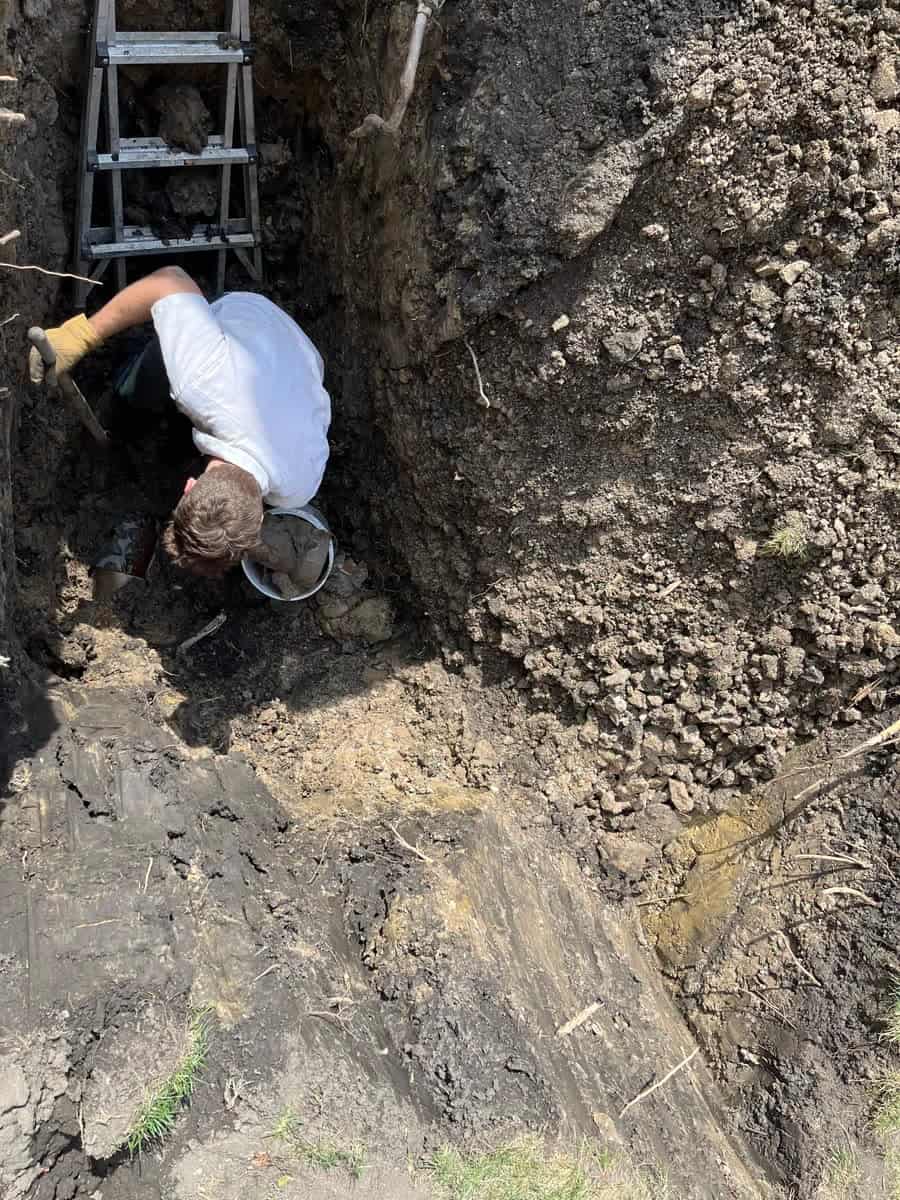

A sewer backup is one of the worst plumbing problems you can have. Sewage coming up through a floor drain or bathtub isn't just a mess. It is a health hazard and a sign that something is wrong underground. A few local conditions make backups more common here than in many places. Knowing the causes helps you catch the problem early.
How your sewer line works
Every drain in the house connects to one main sewer line that runs underground from the foundation to the municipal sewer in the street. Wastewater flows through it by gravity.
When that line is blocked, damaged or overloaded, wastewater has nowhere to go. It comes back up at the lowest openings in the house, usually the basement floor drain, a basement toilet or a tub.
The most common causes
Tree roots: the leading cause of backups in older neighborhoods. Roots find the joints in old clay or cast iron pipe, grow inside and eventually block it.
Grease and buildup: cooking grease, soap and food particles coat the inside of the pipe over the years and narrow it until flow slows to a trickle. Wipes and other things that shouldn't be flushed: wipes, including ones labeled flushable, paper towels and hygiene products don't break down like toilet paper. They snag on rough pipe walls and build blockages deep in the line.
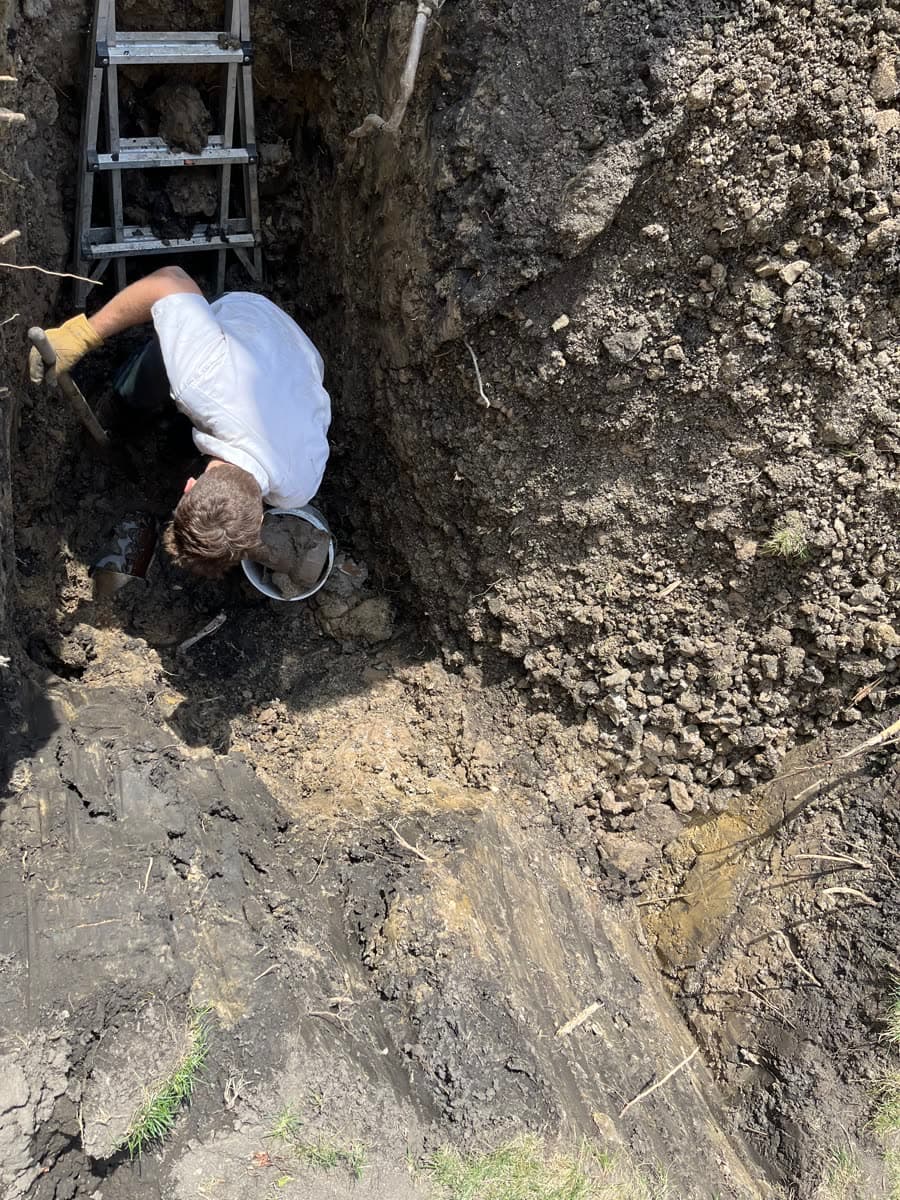
Broken or sagging pipe: many homes built from the 1950s through the 1970s have clay or cast iron sewers that are now cracking, collapsing or developing low spots where waste collects. Overloaded city sewers: during heavy rain or March snowmelt, the public sewer can fill up, and water flows backward into private lines and up into homes.
Warning signs
Backups rarely come without warning. Watch for several slow drains at once, gurgling from toilets or floor drains when water runs elsewhere, sewer odor from basement drains, water coming up in the tub when you flush, extra-green or soggy grass over the sewer line, and a floor drain that bubbles during laundry. These usually show up weeks or months before a full backup, and they don't go away on their own.
Why it pays to act early
Raw sewage carries bacteria that make people sick. Cleaning a finished basement after a backup is expensive, mold can start in a day or two, and a collapsed pipe left alone can let soil wash away under the yard. Many homeowners policies don't cover sewer backup damage unless you've added a sewer backup endorsement, so it is worth a call to your agent.
How we clear and diagnose a backup
For a main line blockage, we rod the sewer to the street with a machine sized for the job, and we run a camera before and after. Before shows what caused the blockage. After proves the line is clear and shows whether there is damage that will cause it to happen again. Residential main-line rodding to the street carries a 1-year warranty. Our Drain Cleaning page explains the process.
If the camera shows a broken or sagging section, we walk you through the footage and give you a flat-rate written estimate for Sewer Repair & Replacement, from a spot repair to a new line.
How to lower your risk
Never pour grease down a drain. Let it cool and throw it in the trash. Flush only toilet paper. Have the sewer camera-inspected every few years if your home is more than about 30 years old or has big trees near the line. Schedule cleaning before problems start, ideally in January or February, ahead of the spring snowmelt and the rains that run through May. If your basement floods in heavy storms, ask about a backwater valve or overhead sewer.
If you are seeing slow drains, hearing gurgling or smelling sewage, call (224) 567-2501 before it becomes a full backup. We answer 24/7 and serve Des Plaines, the North Shore and the northwest suburbs.
Frequently Asked Questions
What is the most common cause of sewer backups?
In older neighborhoods, tree roots in clay or cast iron sewer pipe. Grease, wipes and broken or sagging pipe are the other common causes.
Does homeowners insurance cover sewer backups?
Often not unless you have added a sewer backup endorsement to your policy. Check with your agent before you need it.
Are flushable wipes safe for my sewer line?
No. Wipes, including ones labeled flushable, don't break down like toilet paper and build up into blockages, especially in older pipe.
Is there a warranty on sewer rodding?
Yes. Residential main-line rodding to the street carries a 1-year warranty with Master Pro Plumber, and we camera the line before and after.