

The weather here can swing from a mild 60 degrees to a hard overnight freeze in a matter of days. That kind of swing is what causes plumbing failures every winter, and most of it is preventable with a bit of fall maintenance. Before the first frost, walk through your home's plumbing and deal with the weak points now, rather than during a January emergency.
Why fall matters most
Water lines here are buried around 42 inches deep because the ground really does freeze that far during a hard winter. Anything shallower or exposed is vulnerable. Water expands about 9 percent as it freezes, and that is enough to split copper, plastic or galvanized pipe from the inside.
A lot of local homes, from bungalows to postwar ranches, have plumbing that runs through unheated crawl spaces, attached garages and outside walls that were never insulated to today's standards. Those spots freeze first once overnight lows reach the teens and twenties.
Outdoor faucets and hose bibs
Winterize every outdoor faucet once a year, ideally by mid-October. Waiting until Thanksgiving is cutting it too close in most years, and a single hard freeze can crack a line you won't find until it floods the basement in spring.
Close the shutoff valve inside the house for each outdoor faucet. Open the outside faucet to drain it and leave it open all winter. Disconnect and store the hose, because a hose left attached traps water against the fitting. A foam cover adds a little protection, but only after the line is shut off and drained.
While you are at it, look at where cold air gets in. Sealing gaps around the rim joist and wall penetrations, and keeping water lines off outside walls, prevents more frozen pipes than anything else.
A simple fall timeline
Early September: schedule a water heater flush, test the sump pump, and check exposed pipes in the basement, crawl space and garage for gaps in insulation.
Late September into October: shut off and drain outdoor faucets and disconnect hoses before nighttime temperatures start dipping toward freezing, which usually happens by mid to late October. If you have an irrigation system, have it blown out by the company that services it.
November, before the first hard freeze: do a final walk-through. Confirm faucets are drained, the sump discharge line is clear of leaves, and nothing is dripping around the water heater.
Your water heater works harder in winter
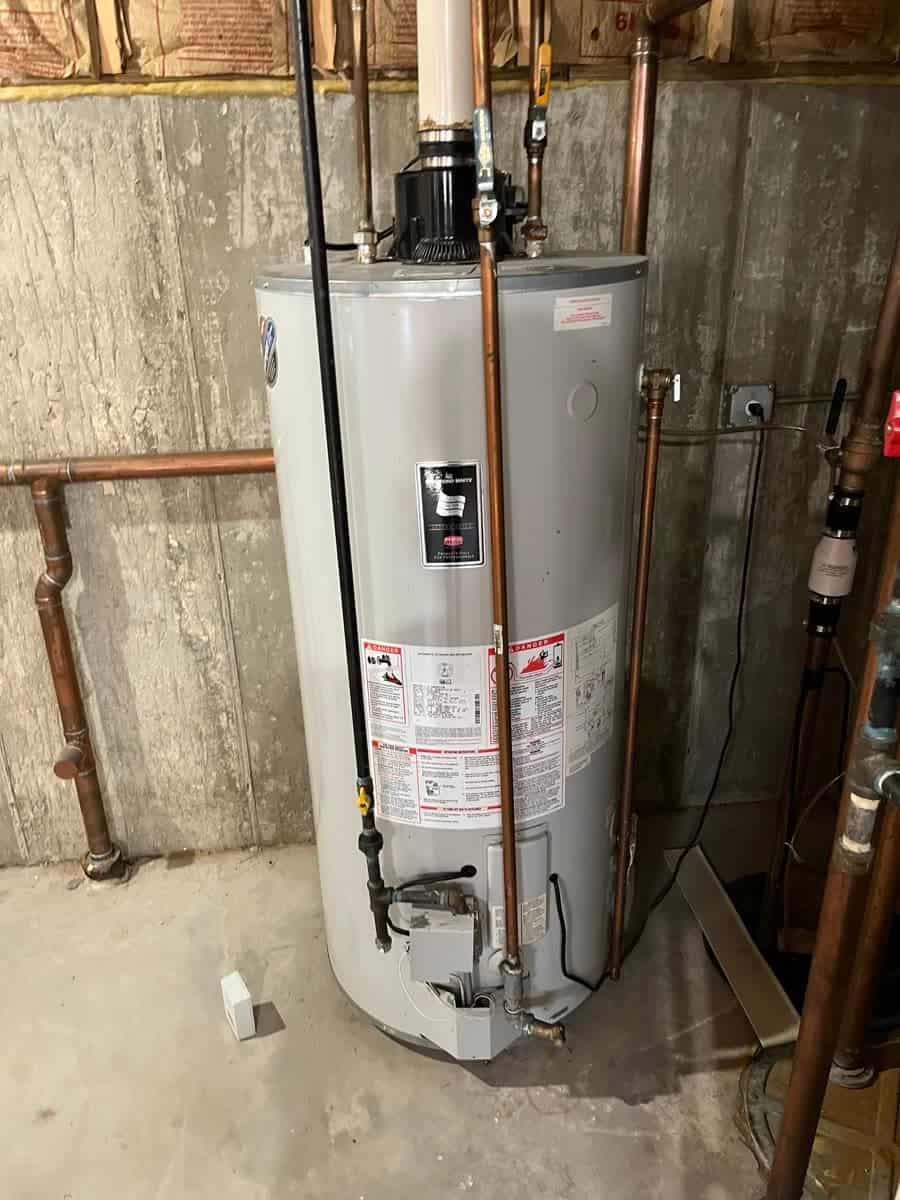
Incoming water drops from around 60 degrees in summer to the low 40s by midwinter, so the water heater has to work much harder for the same hot shower. If sediment has been settling all year, it gets worse, because sediment insulates the water from the burner or element. A tank that runs constantly under that strain tends to fail years earlier than one that is flushed every year.
Most tanks here last 8 to 12 years. If yours is near that age and making noise or rusting at the base, it is better to plan a replacement in the fall than to have it fail in a cold snap, with water spreading across a basement that also holds the furnace. Our Water Heaters page explains what we check and what we install.
Sump pumps and fall rain
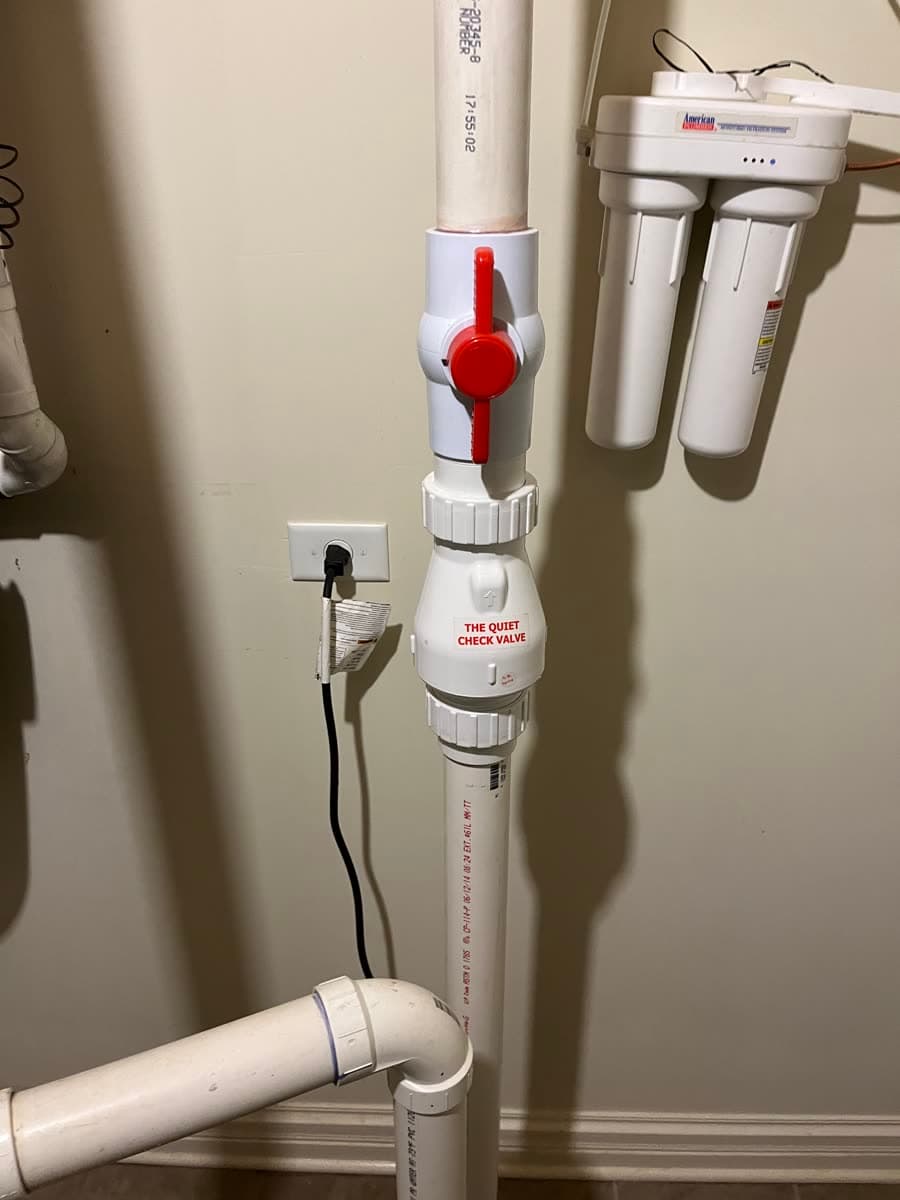
Fall brings steady rain before the ground freezes, and a pump that has sat idle since spring doesn't always wake up on the first cold, wet night. Pour five gallons of water into the pit and make sure the pump starts, empties the pit and shuts off cleanly. Check that the discharge line isn't clogged with leaves, and if you have a battery backup, confirm it holds a charge. Our Sump & Ejector Pumps page covers repairs and backups.
Warning signs not to ignore this fall
Water pressure that has dropped in the last few weeks can point to sediment or a developing leak. Gurgling or slow sinks and tubs are often an early sign of a partly blocked drain line. Rusty or metallic-tasting hot water is a common sign of a tank corroding inside. A sump pump that runs far more often than usual may mean rising groundwater or a failing check valve. Frost or condensation on exposed pipes means the insulation isn't enough.
None of these may be urgent alone, but ignoring them through a winter almost always makes the eventual repair bigger. Call (224) 567-2501 to schedule a fall check. There is no service fee, and you get a flat-rate written estimate before any work starts.
Frequently Asked Questions
When should I winterize my outdoor faucets?
By mid-October in most years. Close the inside shutoff valve, open the outside faucet to drain it, and disconnect the hose before overnight lows start reaching freezing.
Should I let a faucet drip overnight during a hard freeze?
Yes, on a faucet fed by an exposed or outside-wall pipe. A slow drip keeps water moving and relieves pressure, but it is a short-term step, not a substitute for sealing drafts and protecting the pipe.
Do I need to worry about frozen pipes if my home is well insulated?
Yes, though the risk is lower. Additions, garages and older sections of a house often have settled or missing insulation, so check those spots every fall.
How often should a water heater be flushed?
Once a year for most homes here. Our moderately hard water leaves sediment in the tank, and an annual flush helps it run efficiently and last longer.