
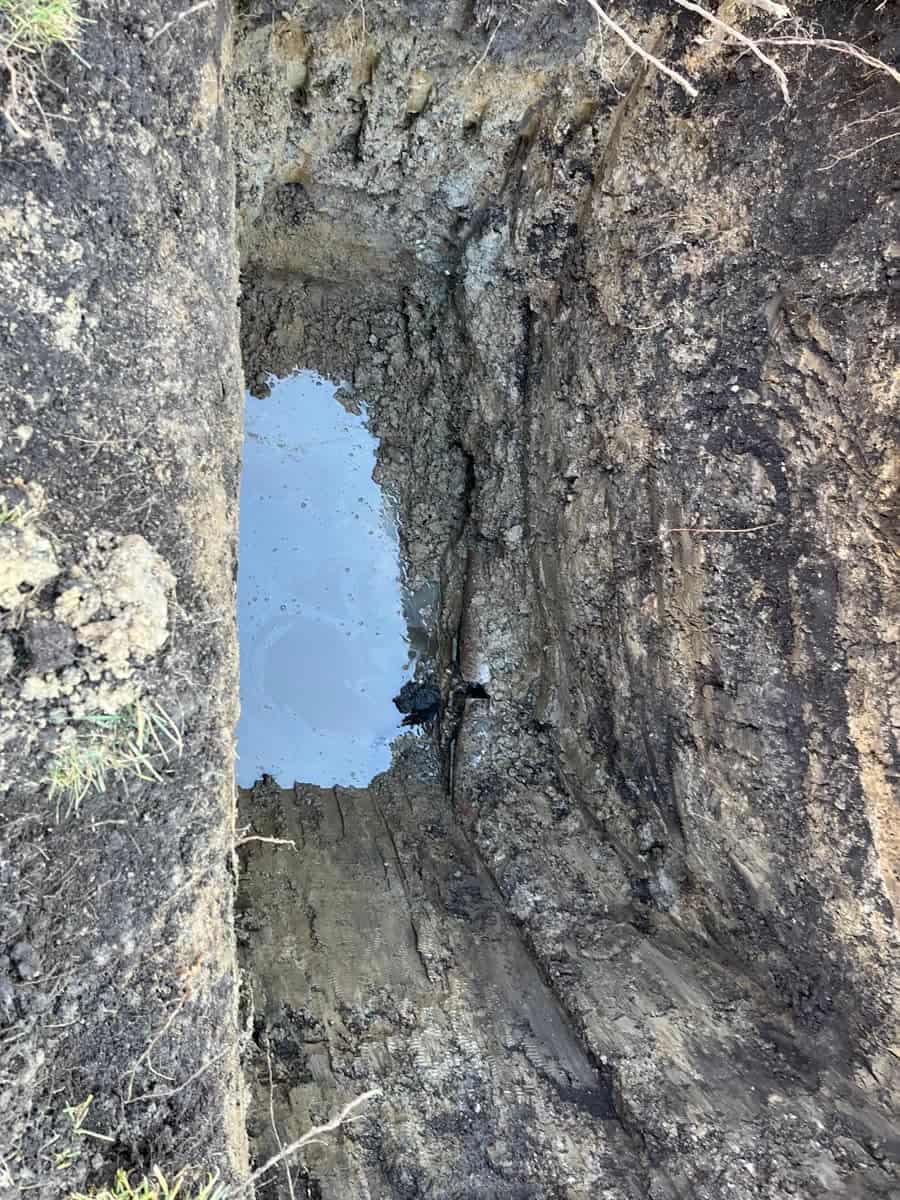

Summer here brings more than heat and humidity. Intense thunderstorms, flash flooding and heavy downpours are a regular part of the season. Most people think about the roof or a wet basement when a storm rolls through, but the plumbing takes a hit too. Knowing how storms affect your drains, sewer and sump pump helps you catch problems early.
Why summer storms are hard on local plumbing
Des Plaines sits in the Des Plaines River valley, an area with a long history of flooding. Towns have invested in flood control, but heavy rain still overwhelms storm and sanitary sewers during intense events, and the effects reach right into your basement.
The clay soil common across the suburbs also swells and shifts when it is saturated. That movement puts stress on the underground pipes and sewer laterals that connect your house to the main in the street.
Sewer backups: the most common storm problem
When heavy rain overloads the municipal sewer, water and sewage can reverse direction and push back up your drain line. Basements take the hit first because floor drains and laundry tubs are the lowest openings in the system.
Watch for gurgling from toilets or floor drains during or after heavy rain, several slow drains at once, sewer odor from basement drains, or water coming up into a tub, toilet or floor drain. If you see any of these after a storm, stop running water in the house and call a plumber.
A partly blocked lateral makes backups far more likely, because it has less room to spare when the main is running full. Keeping the line clean with regular Drain Cleaning gives it the most capacity it can have. Some homes with repeated storm backups also add a backwater valve or an overhead sewer, which is worth discussing if your basement floods every big storm.
What saturated soil does to buried pipe
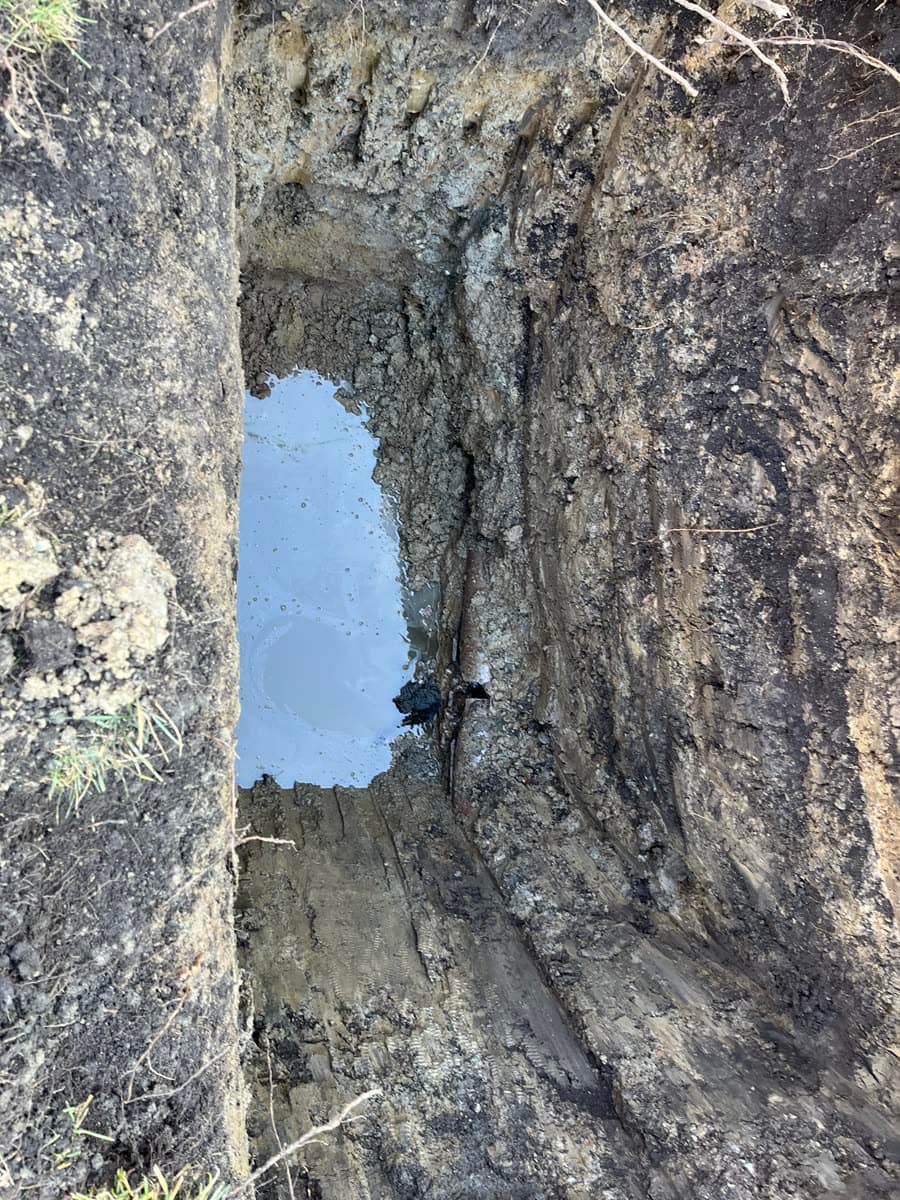
Waterlogged soil moves, and that movement is hard on old clay and cast iron sewer laterals. Joints separate and pipes crack. Tree roots make it worse: a storm that soaks the ground drives root growth toward any small crack or joint in a nearby sewer, and over time that grows into a blockage.
Signs to watch for include slow drains that come back after rodding, strips of unusually green grass over the sewer route, soft spots or small sinkholes in the yard after storms, and sewer smell outside near the line.
Sump pump overload and failure
Most homes with basements rely on a sump pump to handle groundwater. A big storm can push more water into the pit than the pump can move, or the pump can burn out from running for hours. A failed pump during a storm can put inches of water in the basement quickly, soaking the water heater and furnace and setting up mold within a day or two.
Test the pump before storm season by pouring a bucket of water into the pit. Make sure the discharge line drains well away from the foundation, and consider a battery backup, since power outages often come with severe storms. We install Pro Series pumps and battery backups, and we glue the discharge piping so it stays tight through a long storm. Our Sump & Ejector Pumps page has more.
Pressure swings and older water lines
Storms can cause temporary pressure swings in the municipal water supply. Those swings travel into your home's water lines and put extra stress on older pipes and fittings. Homes with galvanized pipe or aging copper are more vulnerable, and a weak joint can start a slow leak inside a wall that you won't see for days.
What to check after a storm
Once a storm passes, run water at several fixtures and listen for gurgling or slow draining. Check the floor drain and sump pit for signs of a backup or overflow. Look under sinks and around the water heater for new drips. Walk the yard for soft spots, pooling water or sewer odor over the line. Then turn off every fixture and look at the water meter. If it is still moving, you may have a leak.
Catching a problem in the first day or two after a storm almost always costs less than finding it weeks later.
Get ready before the next storm
The best time to deal with storm weak points is before the rain. A sump pump upgrade, a battery backup or a sewer camera inspection can prevent a basement emergency. We camera before and after every sewer rodding, so you see exactly what is in your line.
We serve Des Plaines, Glenview, the North Shore and the northwest suburbs. Call (224) 567-2501. We answer 24/7, and if water is coming in during a storm, that is the number for emergency help too.
Frequently Asked Questions
Why does my basement floor drain back up when it rains hard?
Usually the municipal sewer is overloaded and water is pushing back up your line, and a partly blocked lateral makes it worse. A camera inspection shows whether your line has roots, sags or other restrictions.
What should I do if sewage backs up during a storm?
Stop running water in the house so you don't add to it, keep away from the water, and call a plumber. Raw sewage is a health hazard and needs proper cleanup.
Do I need a battery backup sump pump?
If you have a finished basement or valuables downstairs, it is worth it. Severe storms often knock out power right when the sump pump is needed most.
How can I tell if a storm damaged my sewer line?
Watch for slow drains that keep coming back, sewer smell in the yard, soft spots over the line, and backups at the floor drain. A sewer camera inspection confirms it.