

Spring in northern Illinois brings thawing ground, heavy rain and wide temperature swings, and that combination is hard on plumbing. Here the season runs on March snowmelt followed by rain through May. A check now, or better yet in January or February before the season starts, prevents water damage, high bills and emergency calls later. Here is a practical checklist.
Why spring maintenance matters here
Freeze-thaw cycles are the biggest reason. Pipes and fittings that froze, thawed and froze again over the winter can have cracks you can't see yet. Snowmelt saturates the soil, spring storms load the drains and sewers, and tree roots wake up and go looking for water in sewer lines. Small problems left alone turn into expensive repairs quickly.
Test the sump pump first
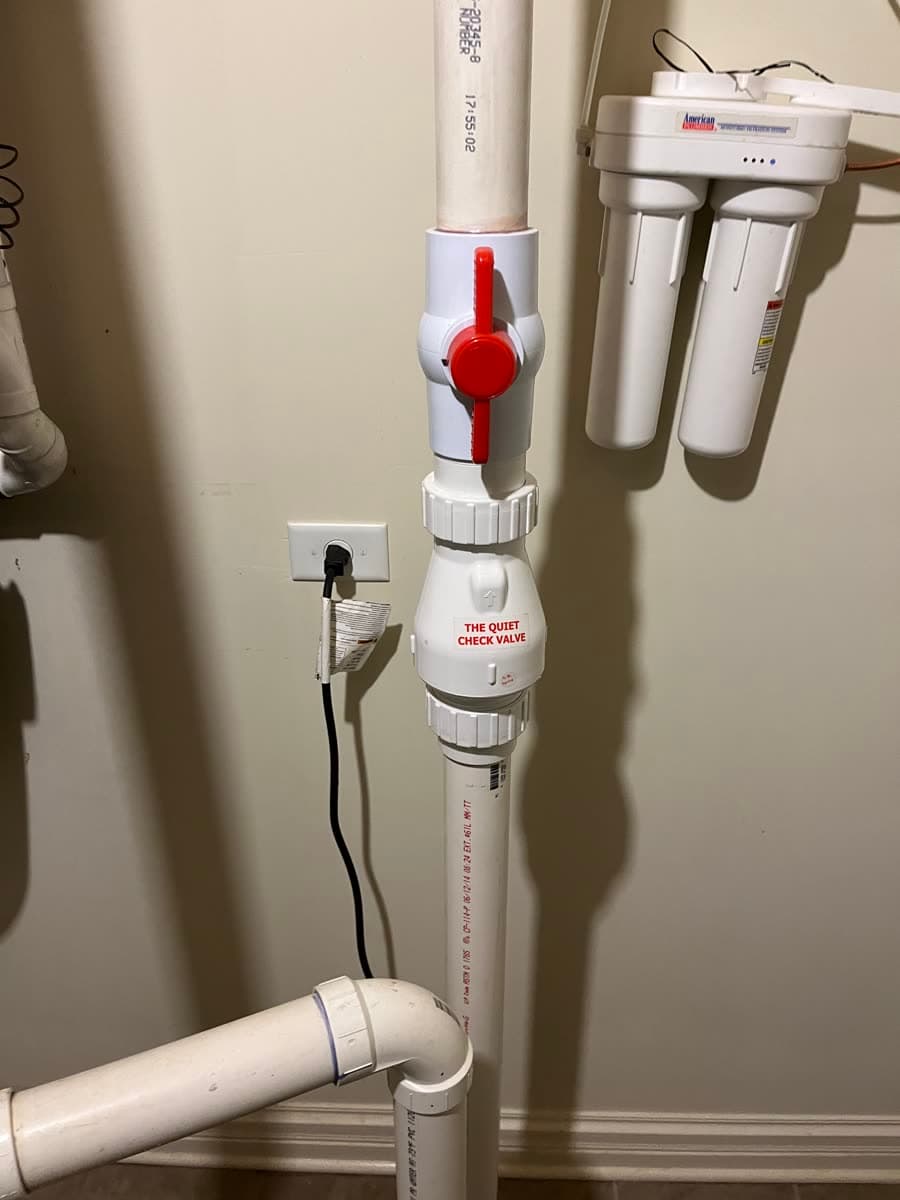
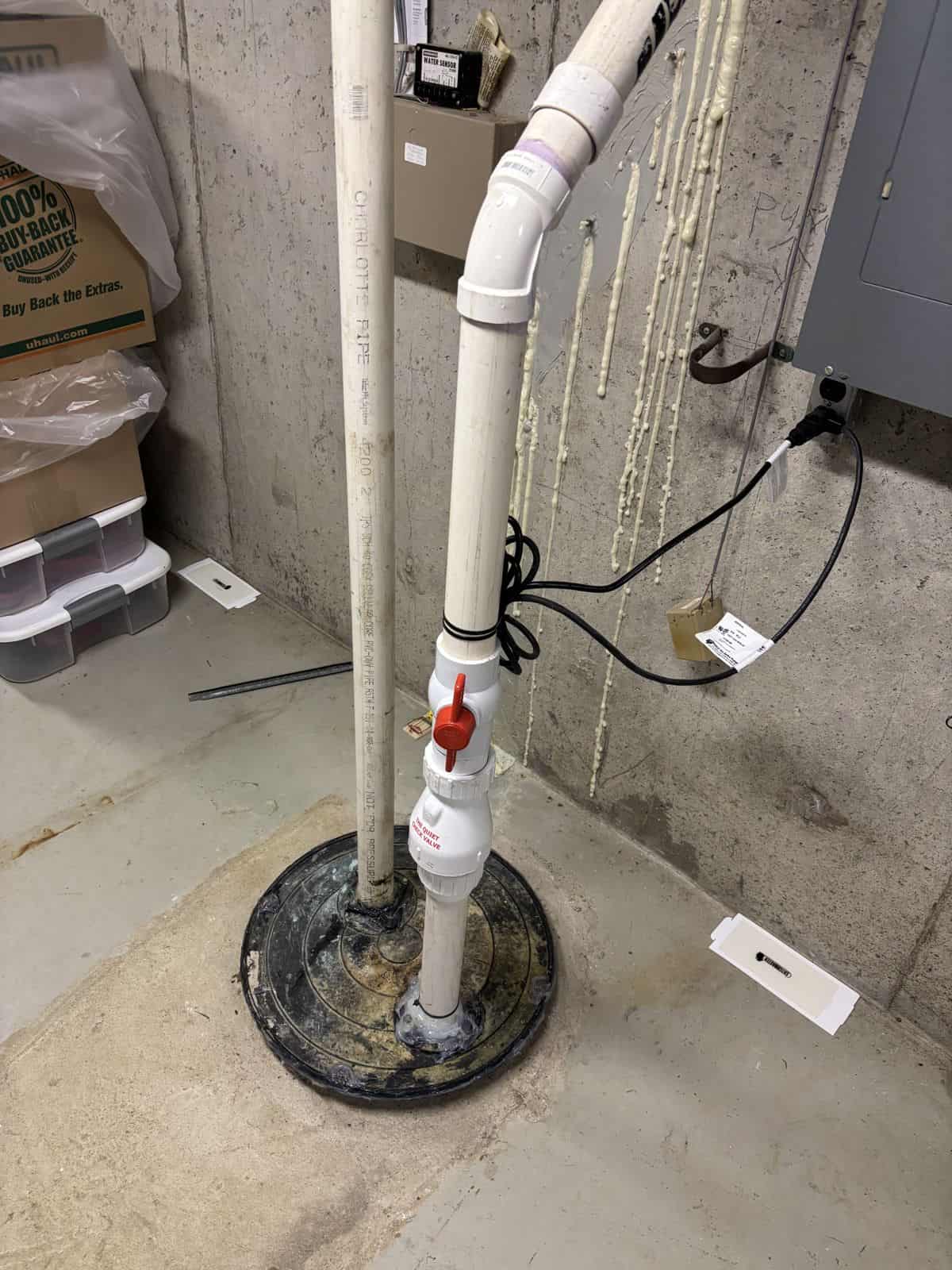
Your sump pump is the first line of defense for the basement. Pour a bucket of water into the pit and make sure it starts, empties the pit and shuts off. Clear debris from the pit, and make sure the discharge line outside isn't blocked or frozen.
While you're there, look at the discharge connection right above the pump. Glued PVC with unions is the right setup. If you see a rubber sleeve and hose clamps instead, put it on the list for us. If the pump hesitates, makes noise or is more than about seven years old, have it looked at before the rains. We install Pro Series pumps and battery backups. Our Sump & Ejector Pumps page has more.
Look for leaks from the winter
Winter damage often shows up as small leaks in spring. Look for water stains on ceilings and walls, musty smells in the basement or under cabinets, drips under sinks and an unexplained jump in the water bill. Check under every sink, tighten loose connections, and call if you see corrosion or an active leak. Left alone, these lead to mold and damaged floors and framing.
Check outdoor faucets
Outdoor faucets take the worst of the cold. Open the inside shutoff, turn the faucet on and watch for leaks outside and on the basement wall behind it. Low flow at the hose, water leaking indoors when the faucet runs, or a visible crack all mean the faucet or the pipe behind it froze. That needs a repair before it soaks the wall. If a faucet has no shutoff inside the house, add one before next winter.
Clear slow drains and check the sewer
Winter use leaves buildup in kitchen and bathroom drains. If a drain is slow, gurgles or keeps clogging, skip the chemical cleaners and have it cleared properly.
Spring is also when roots get active in sewer lines. Several drains backing up, sewer smell in the yard or house, or wet patches in the lawn mean the main line needs a camera. We run the camera before and after every sewer rodding, and residential main-line rodding to the street carries a 1-year warranty. Our Drain Cleaning page explains the process.
Check the water heater
Your water heater worked hard all winter. Rusty water, rumbling noises and uneven temperatures are signs it needs attention. Flushing the tank clears sediment, and checking for corrosion and leaks catches problems early. If the heater is 8 to 10 years old or showing these signs, have it looked at.
Exercise the shutoff valves
Valves under sinks, behind toilets and at the main shutoff can stiffen after months without use. Turn each one off and on to make sure it moves smoothly and doesn't leak. A valve that won't close is no help in an emergency, so replace stuck ones before you need them.
When to call right away
Burst pipes, sewage backups, flooding or no water at all shouldn't wait. Our 24/7 Emergency Plumbing line is answered around the clock.
For everything else, a spring check-up catches what's easy to miss. Call (224) 567-2501. There is no service fee, you get a flat-rate written estimate first, and we serve Des Plaines, Northbrook, the North Shore, the northwest suburbs and parts of DuPage.
Frequently Asked Questions
When should I do spring plumbing maintenance?
January or February is ideal, before the March snowmelt and the spring rains that run through May. That leaves time to fix anything before the busy season.
How do I test my sump pump?
Pour a bucket of water into the pit. The pump should start, empty the pit and shut off cleanly, and water should come out of the discharge pipe away from the house.
How can I tell if an outdoor faucet froze over winter?
Turn it on and check for leaks outside and on the basement wall behind it. Low flow or water leaking indoors usually means the faucet or pipe split.
Why should I turn my shutoff valves every spring?
Valves that sit unused can seize and fail to close in an emergency. Turning them once a year shows whether any need replacing.