
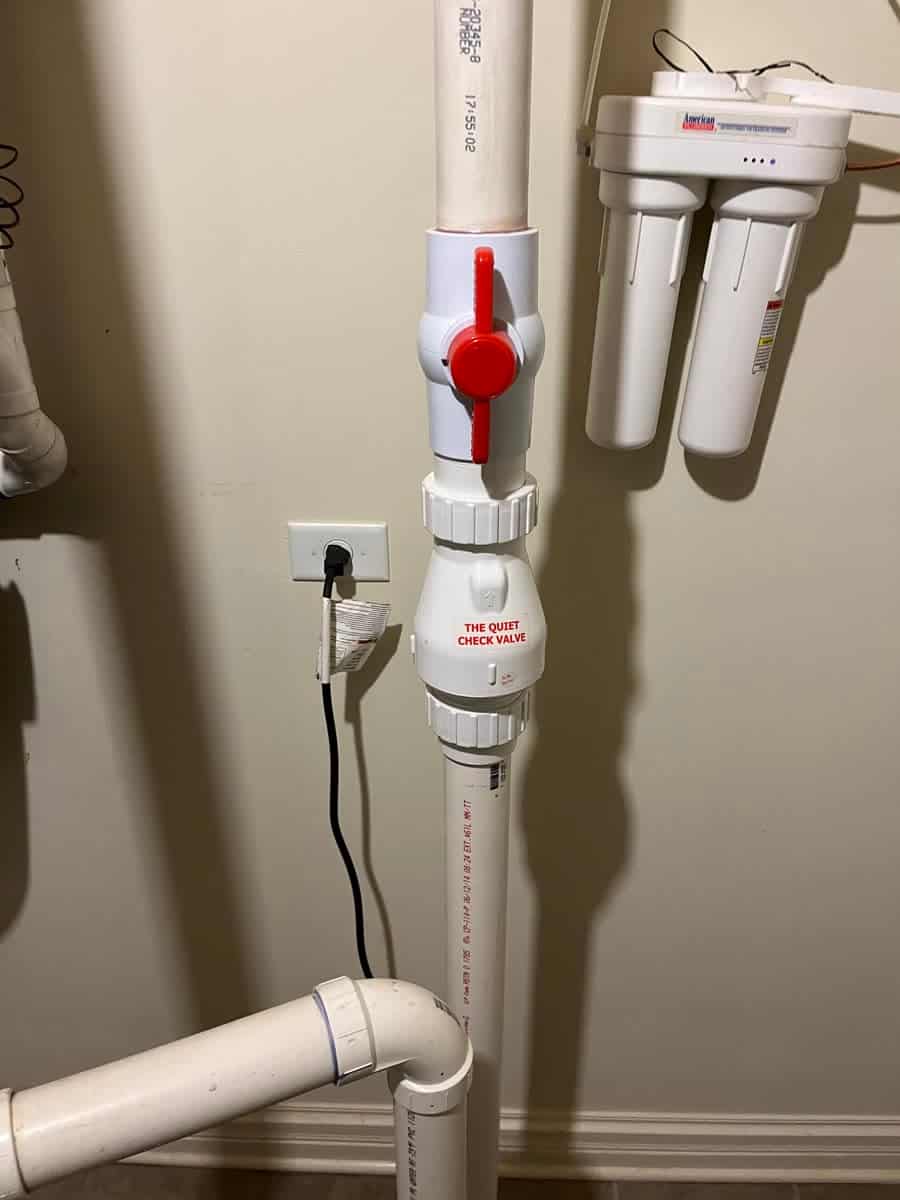

Spring and summer storms are no joke here. Des Plaines and the surrounding Cook County towns regularly deal with heavy rain, flash flooding and saturated ground that pushes hard on basement drainage. If your sump pump fails in a big storm, the result can be a flooded basement and a long cleanup. A pre-season inspection is one of the simplest ways to prevent that.
Why sump pumps matter so much here
The Des Plaines River corridor and the flat land across Cook County leave stormwater with nowhere to go quickly. Basements are especially exposed during the March snowmelt and the heavy rains that follow through spring and summer.
Many local homes have basements that sit at or below the water table in wet seasons. In those homes a working sump pump isn't optional. It is the main thing keeping water out.
What an inspection covers
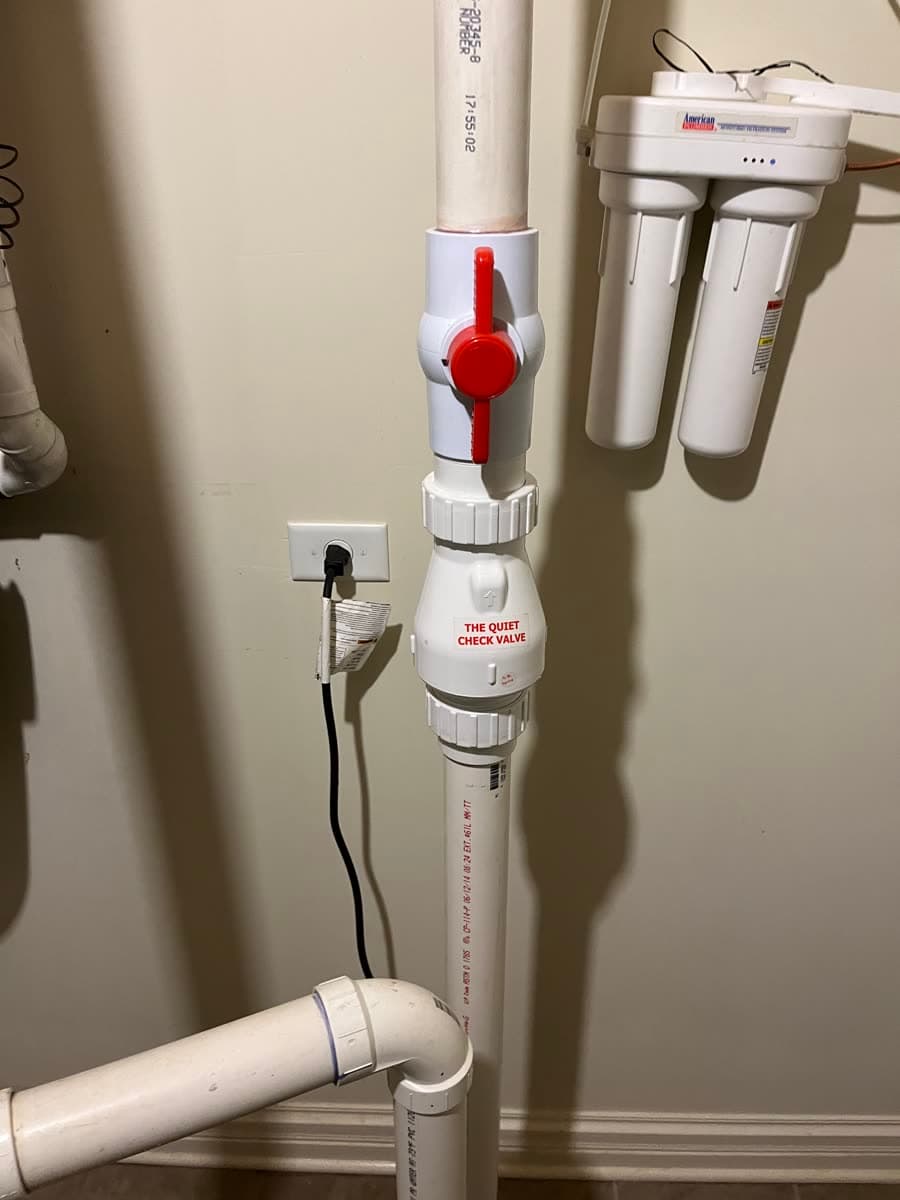
A real inspection goes well beyond switching the pump on. We check the motor and the float switch, making sure the float moves freely and turns the pump on and off at the right levels. We look at the discharge line for blockages or freeze damage from the winter, and we make sure it drains well away from the foundation.
We clean out the pit and check it for sediment, debris and cracks. We test the check valve so water doesn't run back into the pit after each cycle. We look at whether the pump is big enough for the water your pit actually takes on. And if you have a battery backup, we test the battery and the backup pump.
We also check the discharge joints. Glued PVC with unions is what we expect to see; a clamped rubber fitting is a common shortcut that can let go when the pump runs hard. Most failures we see started as a small problem that went unnoticed for months.
Signs your pump is due for service
The pump runs constantly, even in dry weather. It grinds, rattles or makes unusual motor noises. It cycles on and off rapidly without emptying the pit. There is rust, corrosion or standing water around it. The pit fills but the pump doesn't start. Or you notice a musty smell or damp basement walls. Any one of these is reason to schedule service before storm season, not after.
The risk of skipping it
A pump that looks fine in a dry pit can fail the moment it is needed. Pumps that sit idle through the winter can develop seized motors, corroded switches and clogged discharge lines with no obvious signs. A failure during a storm can soak flooring, walls and stored belongings, start mold within a day or two, and damage the water heater, furnace and electrical equipment in the basement.
Scheduling the inspection in January or February, before the spring season starts, gives you time to fix anything on your schedule instead of during a storm.
When replacement makes more sense
Most sump pumps last seven to ten years. If yours is getting close, an inspection may show that repairs aren't worth it. Replacement is usually the better choice when the pump is past about eight years and struggling, has needed several repairs, is too small for the water coming in, or when you want to add a battery backup anyway.
We install Pro Series sump pumps sized for your basement, with battery backups for the storms that knock out power. Our Sump & Ejector Pumps page has the details.
Quick checks between visits
Pour a bucket of water into the pit and make sure the pump starts. Check that the discharge outlet outside is clear. Make sure the pump is plugged into a working GFCI outlet. Test the battery backup if you have one. These take a few minutes and catch obvious problems, but they don't replace a full inspection of the valves, the pit and the motor.
Call (224) 567-2501 to schedule an inspection. We serve Des Plaines, Park Ridge, the North Shore and the northwest suburbs, with flat-rate written estimates and at least a 1-year warranty on every repair.
Frequently Asked Questions
What does a sump pump inspection include?
Checking the motor and float switch, the check valve, the pit and the discharge line, confirming the pump is sized right, and testing any battery backup.
When should I have my sump pump inspected?
In January or February, before the March snowmelt and spring rains. That leaves time to repair or replace it before the busy season.
How long do sump pumps last?
Most last seven to ten years. Pumps that run often, or sit in a pit with a lot of sediment, tend to wear out sooner.
Why does my sump pump turn on and off so often?
Usually a sticking float switch or a check valve letting water flow back into the pit. Both are fixable once they are found.